Wondering why some acreage listings in Cleveland County attract serious buyers quickly while others sit with endless questions? When you sell land in or around Shelby, the biggest challenge is usually not mowing grass or trimming brush. It is giving buyers clear answers about access, zoning, boundaries, and site conditions before they have to ask. If you want a smoother sale and stronger buyer confidence, a little document prep can go a long way. Let’s dive in.
Start With Jurisdiction
Before you market acreage, confirm which local government controls the tract. That matters because zoning, planning, and permit questions depend on where the property sits.
If the land is inside Shelby city limits or Shelby’s ETJ, Shelby Planning & Development Services handles planning and zoning, and Shelby Building Inspections reviews plans and issues permits. If the tract is outside Shelby, Cleveland County Planning handles zoning and development in the unincorporated county and several towns.
This is one of the first details buyers want to know. It helps them understand which office governs possible uses, future building plans, and approval steps.
Gather Core Land Documents
Acreage buyers usually move faster when the listing package includes the key records up front. You do not need every answer to every future question, but you do want the basics organized and easy to share.
Start with these documents:
- Current deed
- Recorded plat, if one exists
- Tax and valuation records
- Septic and well information
- Easement documents
- Lease or timber-right paperwork
- Present-use value records, if applicable
Cleveland County’s public records tools connect property and valuation details, land records, and tax inquiry resources. The Register of Deeds also offers searchable real property and plat indexes, which can help verify what is officially recorded.
This matters because what exists on the ground is not always the same as what is legally documented. A fence line, trail, or old driveway may be familiar to you, but buyers will want to know what the record actually shows.
Check Septic and Well Records Early
If your acreage has an existing septic system, a prior permit, or land that may be used for a future homesite, pull those records early. In Cleveland County, Environmental Health handles Onsite Water Protection Services and keeps septic tank records.
This can be especially important for rural tracts where public utilities may not be available. Buyers often want to know if there is a documented septic history before they spend time and money on deeper due diligence.
For land with a well or a potential building site, buyers may also ask whether the site appears suitable for the intended use. Soil conditions, drainage, seasonal water table, and restrictive layers such as rock or hard pan can all affect whether a conventional septic setup works well.
Make Access Easy To Understand
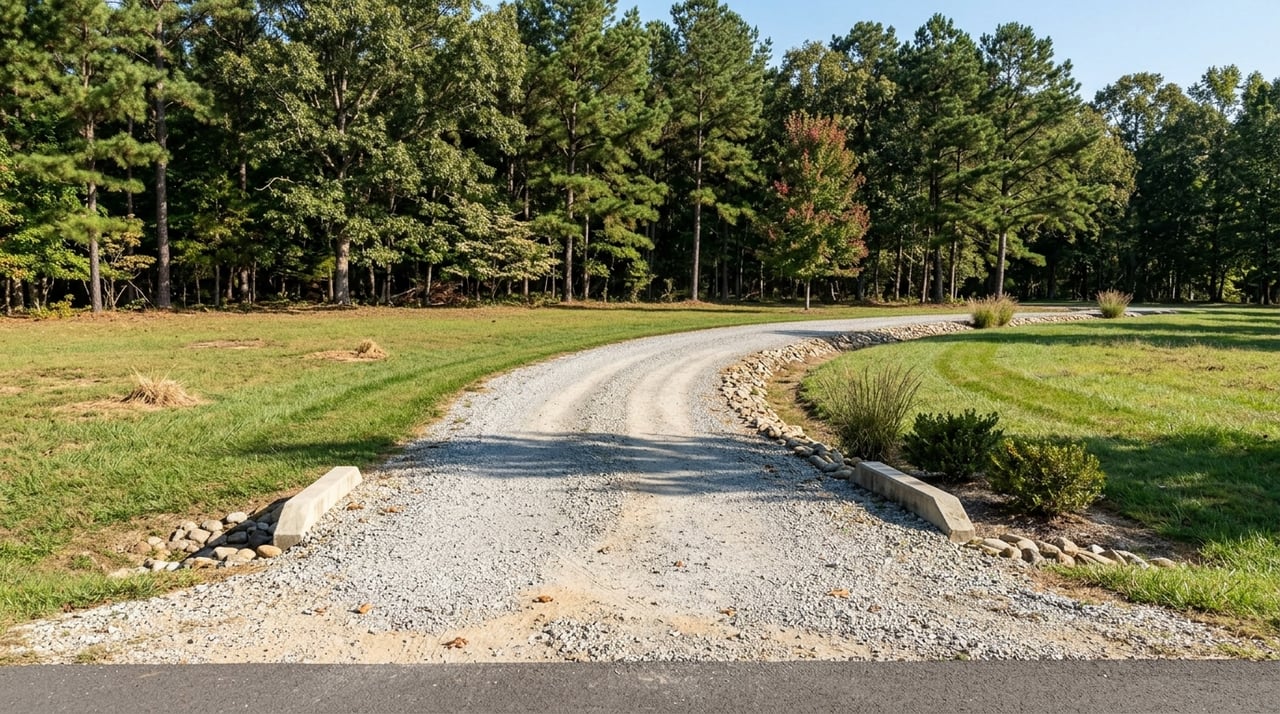
One of the fastest ways to lose buyer interest is fuzzy access information. If someone cannot quickly understand how to reach the property, where the entrance is, and whether access appears legal and usable, they may move on.
Cleveland County notes that addresses for structures are created based on where the driveway meets the road, and vacant land is not given addresses. That means your listing should make the access point, road frontage, and route to the site as clear as possible.
Useful materials can include:
- A marked aerial map
- A parcel map showing road frontage
- Photos of the driveway or entry point
- Written directions to the access point
- Notes explaining whether access is established or needs review
If access ties into the state highway system, or if an existing access point may need to change, driveway permit rules from NCDOT may apply. NCDOT says applicants should contact the local land-use authority first and then the local district engineer early in the process. It also states there is no fee to apply for a driveway permit.
Verify Boundaries And Survey Status
Land buyers want confidence about what they are actually purchasing. That is why survey and boundary clarity can make a big difference in both marketing and negotiations.
If you have a recent survey or recorded plat, include it in the listing package. If you do not, it may still help to locate the best available recorded map and clearly explain whether boundary lines shown online are approximate or based on a formal survey.
This becomes even more important if the tract may be split, adjusted, or marketed for a future homesite. Cleveland County says that for subdivision, the new parcel must meet minimum lot-size rules, including 1 acre in a critical watershed area and 3 acres in the Rural Agriculture District.
The county also states that the survey must be prepared by a professional surveyor, approved by Planning, and then recorded with newly written deeds at the Register of Deeds. That is useful context if buyers ask whether they can divide the property later.
Understand Zoning And Allowed Uses
A common buyer question is simple: “What can I do with this land?” You do not want to guess at that answer.
Cleveland County says zoning jurisdiction determines what can be built, and the county uses its Table of Uses to decide what is allowed. The county also notes that a zoning permit is required for new residential or business construction, new accessory structures larger than 12 feet on any side, additions that increase square footage or roof area, and any new or changed use of an existing structure.
Another key point is density. County planning notes that only one principal dwelling unit is generally allowed per lot unless an exception applies. That can be a major issue for buyers who hope to place multiple homes on one tract or split the property later.
Review Floodplain And Drainage
Floodplain and drainage questions come up often with acreage, especially along creeks, in low areas, or on wooded land where the terrain is harder to read from the road. This is a routine part of buyer due diligence, so it helps to check it before listing.
Cleveland County GIS includes FEMA floodplain layers. Reviewing those maps can help you understand whether any portion of the property may be affected and whether that should be disclosed clearly in marketing notes.
Drainage also matters for site use. Surface water flowing onto a drainfield can overload a septic system, and poor drainage can affect how buyers view the land’s usability. Even when the tract looks attractive, practical site questions can shape value and buyer confidence.
Address Easements, Leases, And Timber Rights
Some of the most important acreage details are not visible from the road. Easements, leases, timber rights, and similar interests can affect how buyers evaluate the property and what they expect to receive at closing.
NC State Extension notes that easements, leases longer than three years, timber rights, and similar land-use interests can be conveyed separately in writing. That is why buyers often want to review these documents early in the process.
If anything like this exists, gather it before the property goes live. Clear paperwork helps prevent confusion later and reduces the chance that a buyer feels surprised during due diligence.
Handle Present-Use Value Carefully
If the land is enrolled in present-use value, do not leave that issue for the last minute. Cleveland County says present-use deferrals generally cover agriculture, horticulture, and forestry.
The county also says a transfer can trigger deferred taxes unless the buyer continues the qualifying use and files the new application within 60 days of the deed recording date. That can be a meaningful issue for both pricing and buyer expectations.
A good listing package should note the present-use status clearly and include the relevant records. That gives buyers a more accurate picture of what may happen after the sale.
Build A Better Online Listing Package
When acreage is marketed online, buyers need more than a few photos and a tax-card summary. They want a clean, useful digital package that answers the questions most likely to affect their plans.
The most helpful acreage package often includes:
- Current survey or recorded plat
- Marked parcel or aerial map
- Photo of the access point or driveway entrance
- Septic or well information, if available
- Notes on zoning or jurisdiction
- Floodplain or watershed context, when relevant
- Easement, lease, timber, or present-use documents
If the property has a farm or forest use history, boundary posting may also be worth reviewing. NC State Extension says posted notices should appear at intervals of no more than 200 feet, and that clear boundaries can help reduce trespass and liability concerns.
Why Preparation Helps You Sell
Acreage buyers usually do more homework than buyers of a typical house in town. They are thinking about access, site suitability, future use, and legal restrictions all at once.
When your file is organized and your listing answers those questions clearly, buyers can focus on the opportunity instead of the uncertainty. That often means better inquiries, fewer surprises, and a smoother path from showing to closing.
If you are thinking about selling acreage in Shelby or anywhere in Cleveland County, working with an experienced listing agent can help you package the property the right way from the start. For practical guidance and a steady, full-service approach, connect with john John Bolin.
FAQs
What documents help sell acreage in Cleveland County?
- The most useful documents usually include the current deed, recorded plat if available, tax records, septic and well information, easement or lease paperwork, timber-right documents, and present-use value records if the tract is enrolled.
Who handles zoning for land in Shelby and Cleveland County?
- If the property is inside Shelby city limits or Shelby’s ETJ, Shelby Planning & Development Services handles planning and zoning. If the tract is outside Shelby, Cleveland County Planning typically handles zoning and development in the unincorporated county and several towns.
Why does access matter when selling vacant land in Cleveland County?
- Buyers want to know how they legally and physically reach the property, where the driveway or entrance is, and whether any driveway permit review may apply. Clear access information can make the property easier to evaluate and market.
What should Cleveland County land sellers know about septic records?
- Cleveland County Environmental Health keeps septic tank records and handles Onsite Water Protection Services. If your tract has an existing system, prior permit, or possible homesite, those records can help buyers assess the property earlier.
Can a buyer build more than one home on Cleveland County acreage?
- Cleveland County Planning notes that only one principal dwelling unit is generally allowed per lot unless an exception applies. Buyers should also review zoning, setbacks, and any subdivision rules that may affect future plans.
How do floodplain questions affect acreage sales in Cleveland County?
- Floodplain review is a common due-diligence step, especially for land near creeks, low areas, or wooded tracts. Cleveland County GIS includes FEMA floodplain layers that can help identify possible flood-hazard areas.
What happens if Cleveland County land is in present-use value?
- Cleveland County says a transfer can trigger deferred taxes unless the buyer continues the qualifying use and files a new application within 60 days of the deed recording date. Sellers should disclose that status clearly so buyers are not caught off guard.