If you want more breathing room without feeling cut off from Charlotte, Lincoln County deserves a closer look. Many buyers are searching for that middle ground where daily life feels calmer, housing comes in a wider range of settings, and the drive into larger job and shopping hubs is still manageable. If that sounds like your goal, this guide will help you understand what living in Lincoln County with easy Charlotte access really looks like. Let’s dive in.
Why Lincoln County Stands Out
Lincoln County offers a quieter alternative to the faster pace of the Charlotte core while still keeping you connected to the region. According to the U.S. Census QuickFacts for Lincoln County, the county’s population estimate reached 98,654 in 2025, up 13.7% from the 2020 base.
That growth matters because it shows more people are choosing the area, yet Lincoln County still feels less dense than many Charlotte-area communities. The same Census source reports about 293.4 people per square mile, which helps explain why the county often appeals to buyers looking for more space and a less crowded feel.
Charlotte Access From Lincoln County
One of the biggest draws is regional connectivity. The City of Lincolnton welcome page notes that Lincolnton is minutes from I-40 and I-85, while the Charlotte Region county profile highlights access to I-77, I-40, I-85, US 321, and NC 16.
In practical terms, that means many trips into Charlotte, Gastonia, and other nearby employment centers are highway-based. Commute times are not ultra-short urban drives, though. The Charlotte Region profile lists an average resident commute time of 28.5 minutes, and Census QuickFacts reports a mean travel time to work of 29.3 minutes.
That balance is part of Lincoln County’s appeal. You can enjoy a more small-town or semi-rural home base while still having a workable path into the broader metro area.
What the commute really feels like
For many residents, commuting from Lincoln County means planning around major corridors rather than relying on dense transit options. If you work in Charlotte or make regular trips toward Gastonia, your day will likely depend on road conditions, traffic timing, and how close your home is to routes like NC 16 or US 321.
It is also smart to remember that growth brings road demand. The NCDOT I-85 widening project in Gaston County is a reminder that the Charlotte-Gastonia corridor is active and useful, but congestion and construction can still affect travel times.
Lincolnton’s Small-Town Feel
If you picture a county seat with historic character, local events, and a more connected downtown core, Lincolnton fits that description well. The city describes itself as historic, just northwest of Charlotte, with small-town charm and a population of just over 10,000 residents on its official welcome page.
Downtown is one of the area’s strongest lifestyle features. The city points to a revived merchant district, restaurants, public art, craft-brewery activity, quilt squares, and annual events such as the 4th of July celebration, Christmas in Historic Downtown, and Apple Drop.
That gives you something many fringe-market communities struggle to offer: a real downtown identity. Instead of feeling like only a pass-through area, Lincolnton has a civic and cultural center that supports everyday life.
Walkability and park connections
Lincolnton also has a more walkable feel than some outlying parts of the county. The city’s historic districts page highlights the official historic districts on South Aspen Street and West Main Street, while the city’s park system is tied together by the roughly 1.7-mile Marcia H. Cloninger Rail Trail.
According to the city, the rail trail links City Park, First Federal Park, Motz Avenue Dog Park, and Betty G. Ross Park. For buyers who want to be near downtown amenities, parks, and older in-town neighborhoods, that setting can feel very different from the county’s more corridor-oriented or rural areas.
Housing Options Across Lincoln County
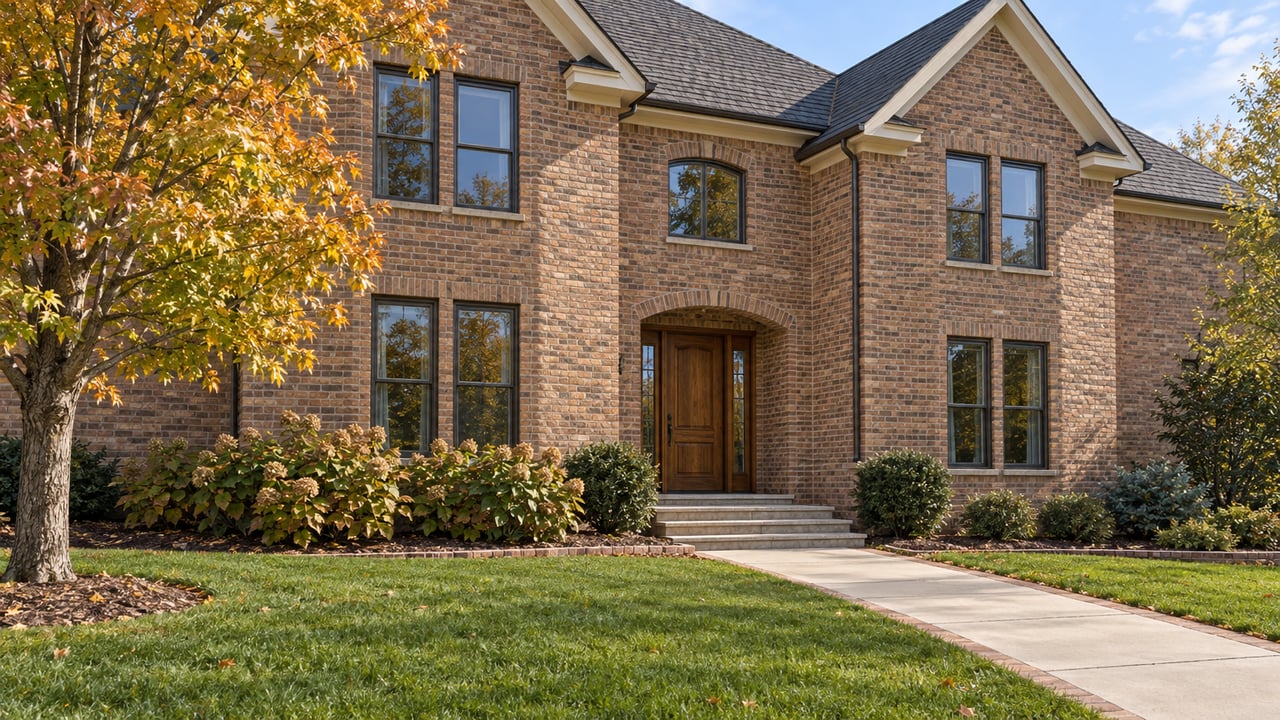
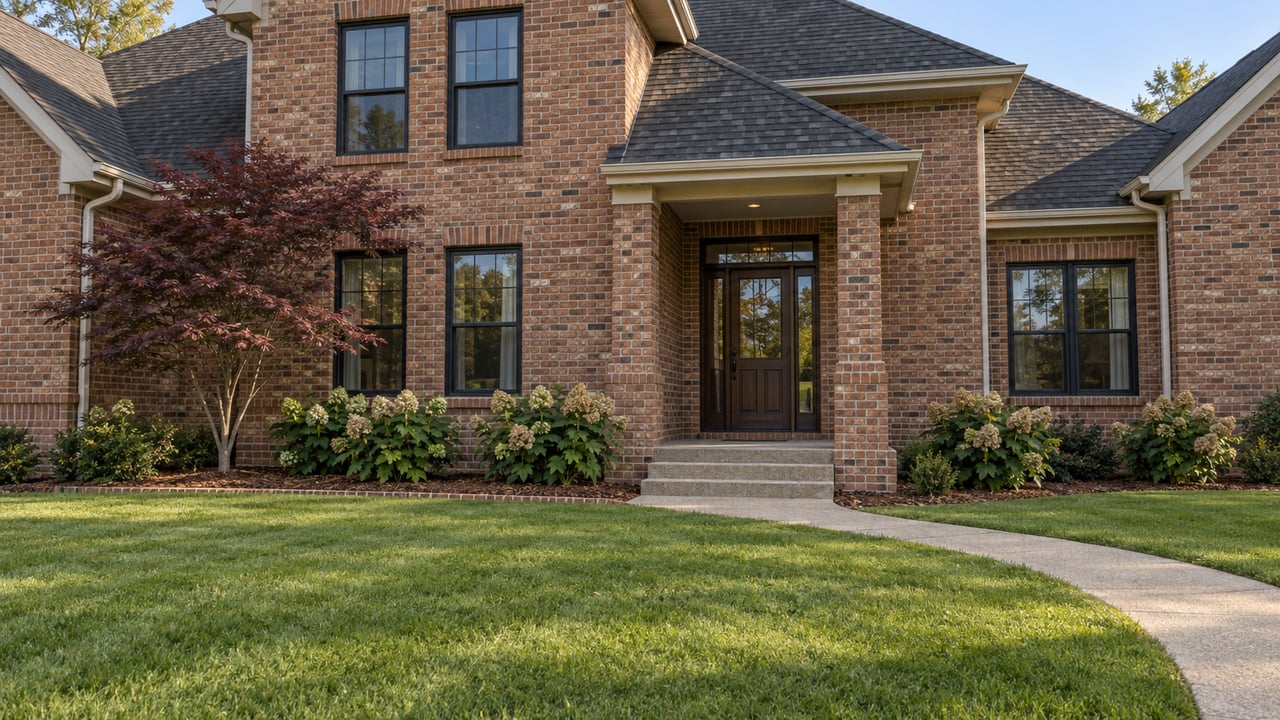
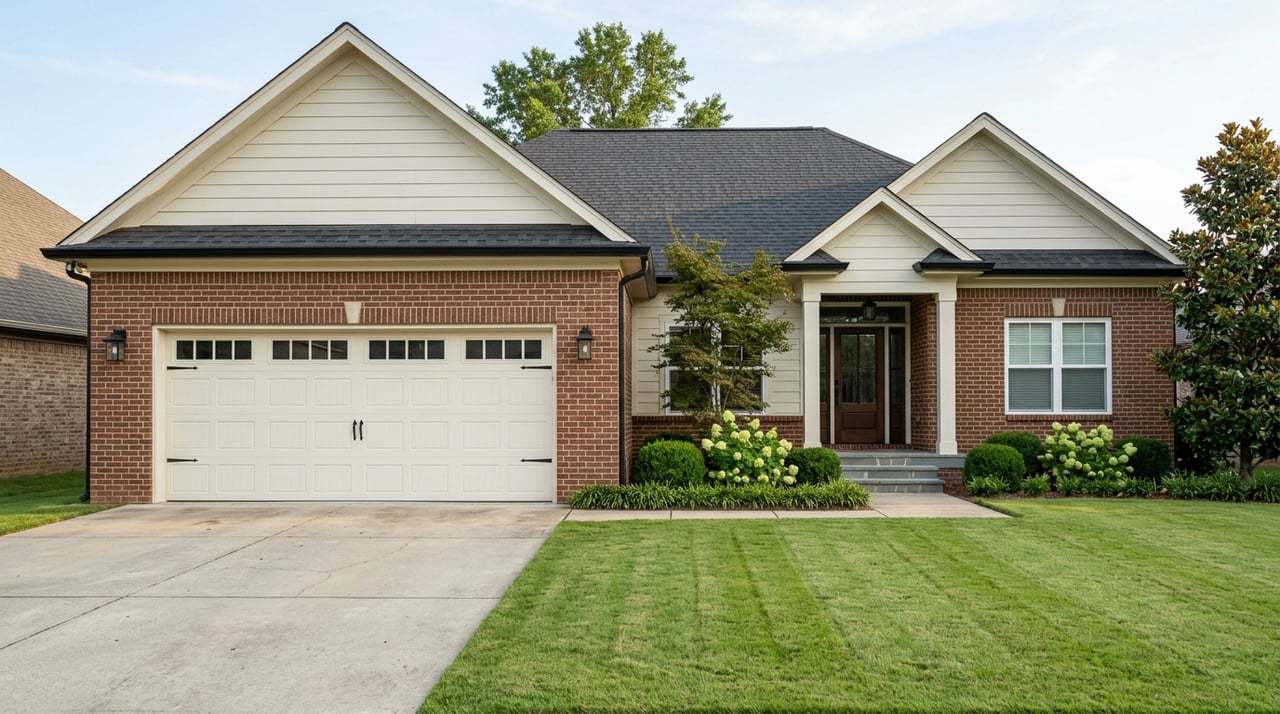
One of Lincoln County’s advantages is variety. Based on the county’s historic pattern, planning documents, and community layout, you will find a mix of older homes near downtown Lincolnton, corridor-style development in growth areas, and more rural settings farther from the county seat.
That variety can be helpful if you are not looking for a one-size-fits-all suburb. Some buyers want an older neighborhood with established character near downtown Lincolnton, while others prefer newer development patterns or homes with more land and a little more separation from neighbors.
The Charlotte Region profile also points out that Lincoln County includes multiple communities, including Lincolnton, Iron Station, Lowesville, and Westport. That spread reinforces the idea that you are choosing among several small-community settings rather than one dense suburban center.
A market with strong homeownership
Lincoln County also leans heavily toward ownership. The U.S. Census QuickFacts show a 78.9% owner-occupied housing rate, a median owner-occupied home value of $321,000, and median gross rent of $1,015 based on 2020-2024 ACS data.
For you as a buyer or future seller, that can signal a market where long-term homeownership is a major part of the housing picture. It does not mean every area feels the same, but it does suggest a county where ownership remains a defining feature of the local market.
Daily Life in Lincoln County
Daily life here often centers on simple routines, community events, and outdoor access. If your ideal week includes local dining, downtown events, parks, and a pace that feels less hectic than Charlotte, Lincoln County has a lot to offer.
The city’s parks and facilities page lists several local recreation spots, including Betty G. Ross Park, Highland Drive Park, First Federal Park, City Park, Motz Avenue Dog Park, and the rail trail. Countywide options add even more, including Westwinds Park, East Lincoln Park, Rock Springs Nature Preserve, Rescue Squad Park, and the East Lincoln Community Center.
One standout is Beattys Ford Park, which offers Lake Norman access with a boat ramp, swim beach, fishing pier, playground, and splash pad. If outdoor recreation matters to you, that kind of amenity can make a real difference in how you use your weekends and free time.
Arts, events, and local culture
Lincoln County’s lifestyle is not only about outdoor space. Downtown Lincolnton is also home to the Lincoln Cultural Center and Arts Council, which strengthens the area’s identity as more than just a commuter location.
That mix of parks, events, arts resources, and downtown gathering spaces helps create a daily rhythm that feels active without feeling overwhelming. For many buyers, that is a major part of the county’s appeal.
Transportation Beyond Driving
Most households in Lincoln County still live a car-first lifestyle. That is an important expectation to set if you are comparing the area with more transit-oriented parts of the Charlotte metro.
Still, Lincoln County does offer transportation support that can be useful in specific situations. The county’s transportation scheduling page explains that TLC is a county-run, accessible, appointment-based service, and DASH is free in Lincolnton.
The county also schedules trips to Gastonia Monday through Friday from 9 a.m. to 3 p.m. and to Charlotte, Matthews, and Pineville on Monday, Wednesday, and Friday from 9 a.m. to 2 p.m. For eligible riders, especially seniors or residents who do not want to drive every trip, those services can add flexibility.
Who Lincoln County Fits Best
Lincoln County often makes sense for buyers who want a quieter home base with practical regional access. It can be especially appealing if you value space, local identity, and a more relaxed day-to-day environment.
You may find the area a strong fit if you are looking for:
- A small-town setting with access to Charlotte and Gastonia
- A mix of in-town, suburban-edge, and rural housing options
- Outdoor recreation and park access
- A county where homeownership is common
- A community that feels active but not overly dense
It may be less ideal if your top priority is a highly urban, transit-heavy lifestyle. Lincoln County’s strength is not big-city density. Its strength is offering room to live while keeping the Charlotte region within reach.
What to Consider Before You Move
Before choosing a specific part of Lincoln County, think carefully about your daily routine. Your experience can vary quite a bit depending on whether you want to be near downtown Lincolnton, closer to a major corridor, or in a quieter rural setting.
Here are a few smart questions to ask yourself:
- How often will you need to commute into Charlotte or Gastonia?
- Do you want a historic in-town setting or more land and privacy?
- How important is quick access to highways like NC 16 or US 321?
- Would you use parks, trails, or Lake Norman access regularly?
- Do you want to be near downtown events and amenities?
The right answer depends on your lifestyle, not just the map. A home that looks ideal online may feel very different once you factor in drive patterns, weekend routines, and the kind of setting you want around you.
Final Thoughts on Lincoln County Living
Living in Lincoln County with easy Charlotte access is really about trade-offs in the best sense. You get a quieter setting, multiple community options, local parks and events, and a stronger small-town identity than you may find in more built-up suburbs. In return, you should expect a car-oriented lifestyle and a commute that depends on highways and traffic patterns.
If that balance sounds right for you, Lincoln County can be a very compelling place to call home. When you are ready to explore homes, compare community settings, or talk through the pros and cons of specific areas, john John Bolin can help you navigate the market with practical local insight.
FAQs
What is commuting from Lincoln County to Charlotte like?
- Commuting from Lincoln County to Charlotte is generally highway-based, with access to routes such as I-77, I-40, I-85, US 321, and NC 16, and average commute figures around 28.5 to 29.3 minutes according to regional and Census sources.
What is daily life in Lincolnton, North Carolina like?
- Daily life in Lincolnton includes a historic downtown, local restaurants, community events, public art, parks, and the Marcia H. Cloninger Rail Trail, giving the city a small-town rhythm with active local amenities.
What kinds of homes can you find in Lincoln County, NC?
- Lincoln County offers a mix of older in-town neighborhoods near downtown Lincolnton, corridor-style development in growth areas, and more rural settings across its smaller communities.
Is Lincoln County a good fit if you want more space near Charlotte?
- Lincoln County can be a strong fit if you want a quieter setting, more room, and workable access to Charlotte and Gastonia without living in a denser urban or inner-suburban area.
Are there transportation options in Lincoln County besides driving?
- Yes, Lincoln County offers TLC, an accessible appointment-based transportation service, a free DASH service in Lincolnton, and scheduled trips to Gastonia, Charlotte, Matthews, and Pineville on select days for eligible riders.