Thinking about selling your Gaston County home and wondering if timing really matters? It does. Local buyer activity follows a familiar rhythm: things heat up in spring, stay solid into early summer, then slow through late fall and winter. If you plan ahead, you can use these cycles to sell faster and with more confidence. In this guide, you’ll learn how seasonality plays out in Gaston County, what it means for pricing and days on market, and how to time your launch for the best results. Let’s dive in.
What the Gaston County data shows
Redfin’s recent snapshots show a median sale price near $313,500 in January 2026 and a median 94 days on market, reflecting a moderate, steady pace heading into the new year. Realtor.com’s December 2025 overview reported a $328,900 median listing price, about 1,774 active listings, and an average 80 days on market. City medians vary within the county, with places like Belmont trending higher than Gastonia, which underscores the value of a hyper-local strategy.
Across the calendar, showing activity and transactions typically rise in early spring, peak in late spring and early summer, then soften into winter. That means you’ll likely see more buyers and faster sales in spring, with more choices for buyers as inventory rises too. Winter tends to be quieter, and average days on market usually stretch out.
Why seasonality matters here
School calendar steers demand
Families try to move between school years. Gaston County Schools typically start in mid-August, which makes late spring and early summer the sweet spot for closings that keep students on track. You can confirm dates on the district’s published calendar for the year on the Gaston County Schools site. The timing creates concentrated demand from March through early summer, especially for homes near daily amenities and commuter routes. Check the current school calendar.
Weather lifts curb appeal
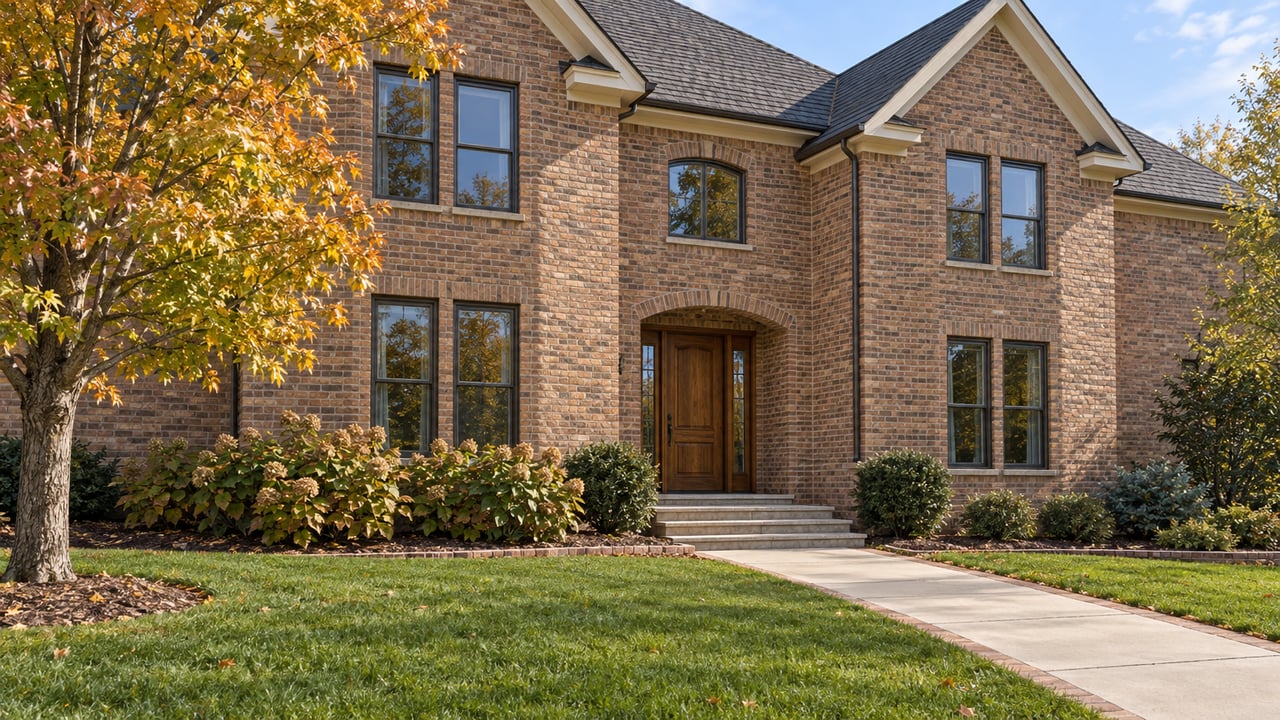
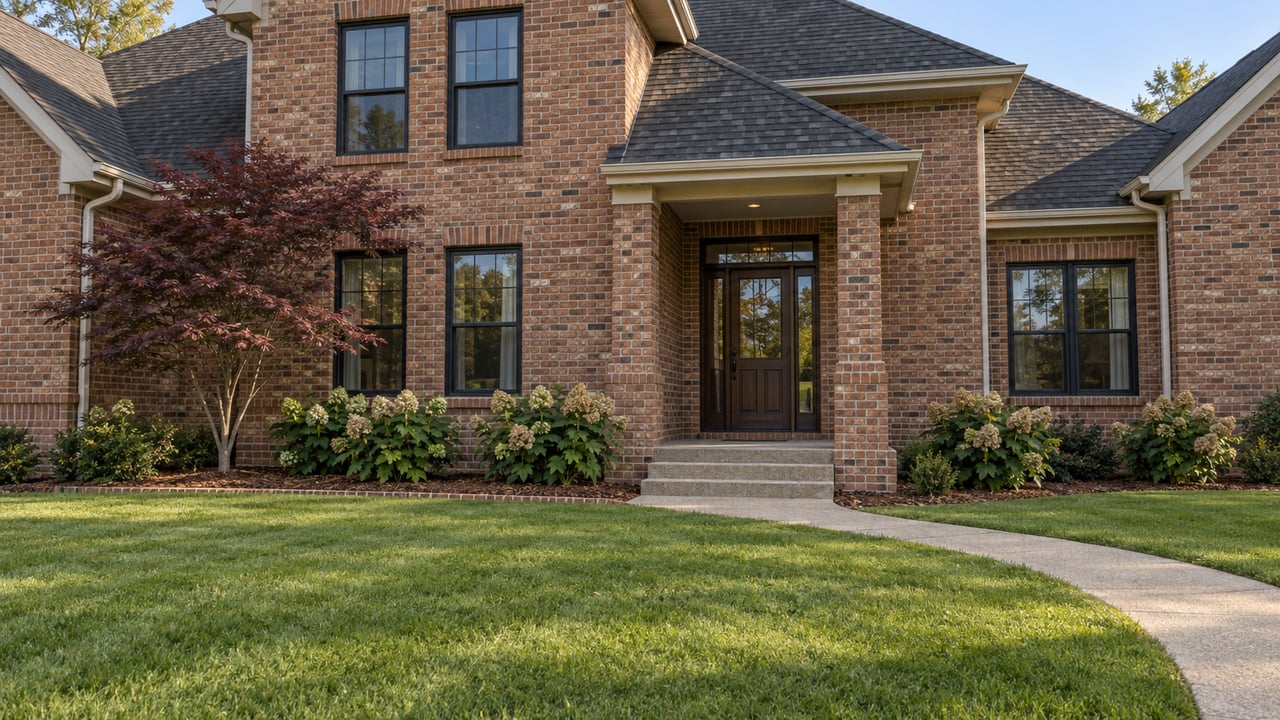
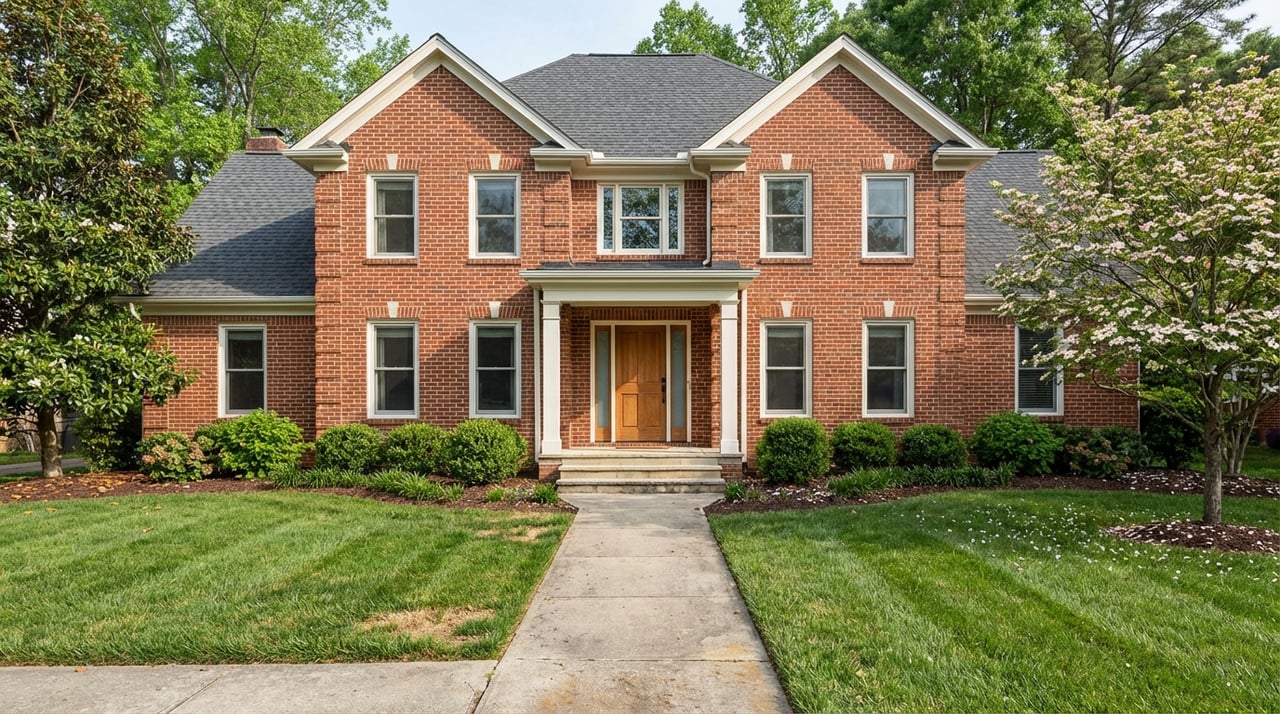
Gaston’s Piedmont climate has mild winters and warm summers, which supports year-round showings. Still, spring and early summer deliver peak curb appeal, with green lawns and blooming landscapes that help photos and in-person tours stand out. Winter weather rarely halts showings, but the visuals are strongest when your yard is in full color. Review the local climate profile for Gastonia to get a sense of typical temps and rainfall. See a Gastonia climate overview.
Charlotte-area growth supports demand
Gaston County benefits from the Charlotte metro’s job base and population growth. Ongoing commercial activity and redevelopment in nearby pockets support a healthy buyer pipeline throughout the year. That broader growth backdrop helps soften off-season slowdowns and steadies demand over time. For a window into the region’s momentum, view Charlotte-area university media advisories that highlight regional activity. Explore Charlotte-area updates.
Inventory and price tiers behave differently
Lower price segments tend to move faster than upper tiers, while higher-end or niche properties can have longer timelines regardless of month. Micro-markets like Belmont, Cramerton, and Mount Holly each have their own pricing patterns and buyer flows. Seasonality still applies, but your exact timing and pricing should be based on the latest comparable sales for your neighborhood and price tier.
Best time to sell: a local playbook
Spring (March to early June)
What to expect
- Strongest buyer traffic and the fastest sales tempo.
- Many buyers aim to close before summer, often to align with school schedules.
- National studies identify late spring as the top period for seller premiums. See Bankrate’s overview.
Pros
- Best chance for multiple offers and shorter days on market if you launch prepared.
- Peak curb appeal and broader buyer pool.
Cons
- More competing listings. Price and presentation matter more.
Local tactics
- Aim for a mid-April to early May launch to capture mid-spring momentum and May or June closings.
- Consider a mid-week MLS debut, often Thursday, to build weekend showings. Research supports Thursday launches.
- In faster submarkets like Belmont and Cramerton, price from very recent closed comps rather than older, higher expectations.
Early to mid summer (June to July)
What to expect
- Activity remains healthy in June and early July, then can taper as vacations kick in.
- Well-priced, move-in-ready homes still sell quickly.
Pros
- Focused buyers with summer timelines are active.
- Longer daylight helps showings and photography.
Cons
- As travel picks up, traffic can thin and inventory can linger.
Local tactics
- Keep outdoor areas show-ready with shade and fresh landscaping. Schedule showings during cooler times of day.
- If you list later in summer, lean into competitive pricing and respond quickly to strong offers.
Fall (September to November)
What to expect
- A smaller, secondary window with motivated buyers, including relocations and job changes.
- Sales can be steady if your home stands out and inventory dips.
Pros
- Less competition than spring. A well-presented, well-priced home can attract serious interest.
Cons
- A smaller buyer pool can mean slightly longer timelines.
Local tactics
- Highlight move-in readiness and flexible closing timelines for relocating buyers.
- Use twilight photos to maximize curb appeal as daylight shortens.
Winter (December to February)
What to expect
- The quietest season for buyer traffic and showings.
- Buyers who are active are often on tight timelines, including corporate moves.
- National research shows lower average seller premiums in winter compared to late spring. See Bankrate’s overview.
Pros
- Fewer competing listings help your home stand out.
Cons
- Slower pace and softer curb appeal.
Local tactics
- Use bright, high-quality photography and highlight energy and comfort features.
- Offer flexible showing windows and expect longer negotiation periods.
Your 12-month timing checklist
- Set your closing window
- If you want to close before school starts, back into a mid-April launch target. This gives you a path to May or June closings ahead of the district’s typical mid-August start. Confirm the school calendar.
- Build a prep timeline
- 6 to 9 months out: plan major projects that might need permits or longer lead times.
- 2 to 3 months out: complete cosmetic updates, declutter, and line up staging and photography. Many sellers find 6 to 12 weeks is a practical prep window for spring.
- 1 to 2 weeks out: finalize professional photos and schedule your MLS launch for mid-week.
- For a planning overview to keep you on track, browse this seller prep guide. See a sample prep plan.
- Price with recent comps
- Use the last 30 to 90 days of closed sales in your immediate area. Markets shift by season, and appraisers prioritize fresh data.
- Ignoring seasonality can bias valuations by a few percent in seasonal markets, according to appraisal research. Read the seasonality study.
- Market to the season
- Spring: schedule photos when the yard shows best. Emphasize fresh landscaping and natural light.
- Summer: stage outdoor living, shade, and lawn care. Keep interiors cool during showings.
- Fall: use warm, neutral staging. Add twilight images for curb appeal.
- Winter: brighten interiors, add exterior lighting, and include any warm-season yard images that show how the property looks in bloom.
- Prepare for seasonal negotiation patterns
- Spring listings can bring multiple offers and faster timelines. Plan your offer review process and escalation strategy in advance.
- Fall and winter deals may involve fewer offers but deeper negotiations on inspections and concessions. Set expectations accordingly.
What this means for you
If you can choose when to list, spring and early summer give you the best shot at a quick, well-priced sale in Gaston County. If life sets your timeline, you can still win by aligning your pricing, presentation, and launch strategy with seasonal buyer behavior. The right plan will help you stand out, no matter the month.
If you want experienced, local guidance from a listing-first pro with deep Gaston roots, reach out to John R. Bolin for a focused plan, market-tested pricing, and distribution that gets your home seen and sold.
FAQs
How much does seasonality change Gaston County sale prices?
- National research points to late spring as the strongest window for seller premiums. Exact percentages vary by study and neighborhood, so use recent local comps to set expectations. Review Bankrate’s summary.
What if I have to sell in fall or winter in Gastonia?
- You can still sell well off-peak by pricing accurately, improving presentation, and leaning into flexible showings and responsive negotiation. Motivated buyers are still in the market.
Does listing on Thursday really help in Gaston County?
- Studies show mid-week launches, often Thursday, can boost weekend traffic and speed time to contract. The effect aligns with local patterns. See the research summary.
How do Belmont and Gastonia timing and prices compare?
- City-level medians differ within Gaston County, with Belmont often trending higher than Gastonia. The best approach is to price from recent, nearby closed sales that match your home’s features and tier.
How does the school calendar affect my move in Gaston County?
- Many families aim to close before mid-August to align with the school year, which concentrates demand in spring and early summer. Check the district calendar.