Is it time to sell a home your family has owned for decades in Gaston County? It is normal to feel a mix of memories and questions, especially if you are handling an estate or planning a downsize. This guide gives you a clear, local path for selling a long‑held Gastonia home, from probate steps and documents to smart updates that attract today’s buyers. You will also find practical checklists, timelines, and resources to help you move forward with confidence. Let’s dive in.
What makes Gaston County unique
Gaston County sits within the Charlotte metro, so buyer demand often follows commute patterns and highway access along I‑85, US‑321, and I‑485. That means some buyers prioritize move‑in ready homes while others look for renovation opportunities within an easy drive. Many long‑held homes here were built in the mid‑20th century, which can offer great lots and original features along with possible system updates like roof, HVAC, electrical, or plumbing. Spring is typically the busiest listing season, but if you are dealing with an estate, your probate timeline should take priority over the calendar.
First steps and records to gather
If you start with a clean file, the rest of the process runs smoother. Pull what you can from family records, and fill gaps with county offices.
- Deed and chain of title
- Current tax card, assessment, and tax payment history
- Plat or survey if available, plus the legal description
- Mortgage, lien, HELOC, judgment, or tax lien payoff statements
- Title policy and prior closing paperwork if available
- Building permits and certificates of occupancy for major work
- Receipts and warranties for improvements like roof, HVAC, electrical, plumbing, and appliances
- Utility bills and service records
- Insurance loss history and claims
- HOA documents if applicable
- Any leases or occupancy agreements
You can locate official records and department contacts on the Gaston County official site. If you are missing key items, a title search ordered early can save time later.
Probate and authority to sell
If you are an executor or personal representative, confirm your authority before listing or signing contracts. In North Carolina, executors have fiduciary duties that include locating assets, notifying heirs and creditors, inventorying property, obtaining appraisals, paying valid debts and taxes, and distributing assets under the will or state intestacy laws. Probate timelines vary by case and can take months or longer.
- If court supervision applies to a sale, you may need approvals before you can close.
- Expect to provide letters testamentary or letters of administration to sign listing agreements and closing documents.
- When in doubt, confirm steps with the county probate clerk or consult an estate attorney early in the process.
Required disclosures and compliance in NC
North Carolina uses standardized seller disclosure forms. Your listing agent will help you complete the appropriate North Carolina seller disclosure forms and any other required disclosures. If the house was built before 1978, federal law requires a lead disclosure for buyers. Review the EPA’s guidance on federal lead‑based paint disclosure rules if your property falls in that category.
Title issues such as unpaid taxes, liens, or code violations must be addressed before closing or will be paid from sale proceeds. Ordering a title search early helps you avoid delays.
Taxes and basis for inherited homes
Heirs commonly receive a stepped‑up basis for federal income tax purposes based on the property’s value at the date of death. If you sell soon after inheritance, capital gains may be limited due to that basis. If you hold the property and it appreciates, capital gains may apply. For clarity on scenarios, review the IRS overview of basis rules in IRS Publication 551, and speak with a CPA about your situation. Also check with the county tax office regarding any local exemptions or relief programs that may apply.
Decide: repair, update, or sell as‑is
Start with a comparative market analysis or appraisal to understand value ranges for “as‑is” versus updated homes in your specific neighborhood. Then line up your timeline, cash on hand, and estate obligations.
- If you need speed and have limited funds, an as‑is sale can work, though the net price is usually lower.
- If you have flexibility, targeted updates often earn a strong return versus large renovations that can be expensive and slow.
- Weigh sentimental items or original features against marketability. You can preserve select details while still making buyer‑friendly updates.
High‑impact updates for older homes
Focus on safety and function first. Repairs that affect financing and buyer confidence should take top priority.
- Safety and function: roof leaks, electrical hazards, major plumbing problems, and failed HVAC systems. These can limit the buyer pool.
- Deferred maintenance: address peeling paint, broken windows, damaged siding, and rotten wood.
- Cosmetic refresh: repaint walls in neutral tones, replace worn flooring, and consider simple kitchen and bath improvements like new counters, hardware, fixtures, and lighting.
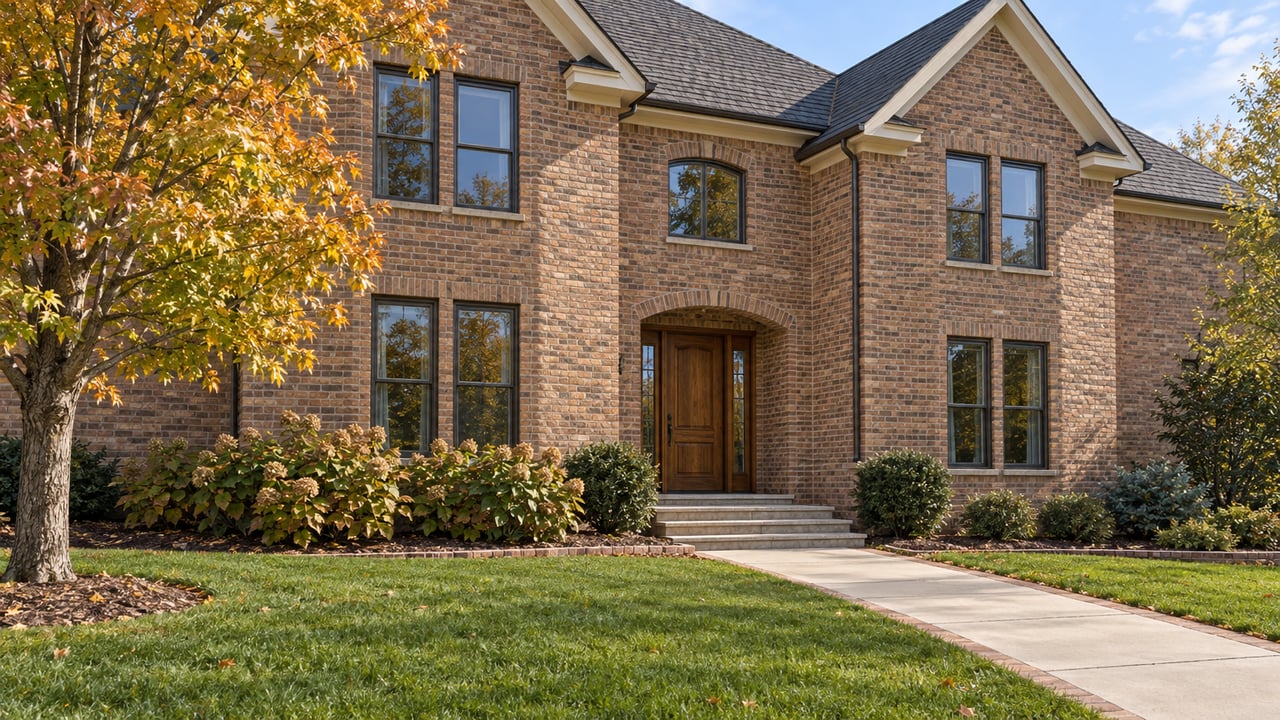
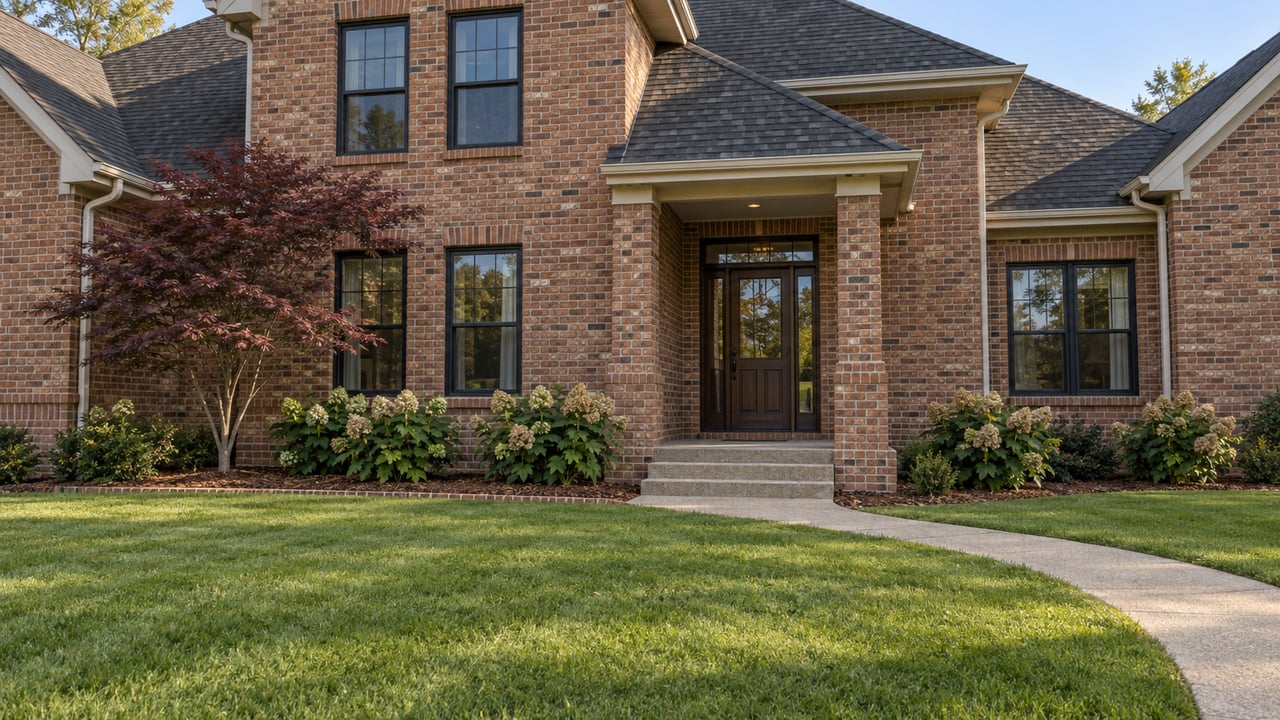
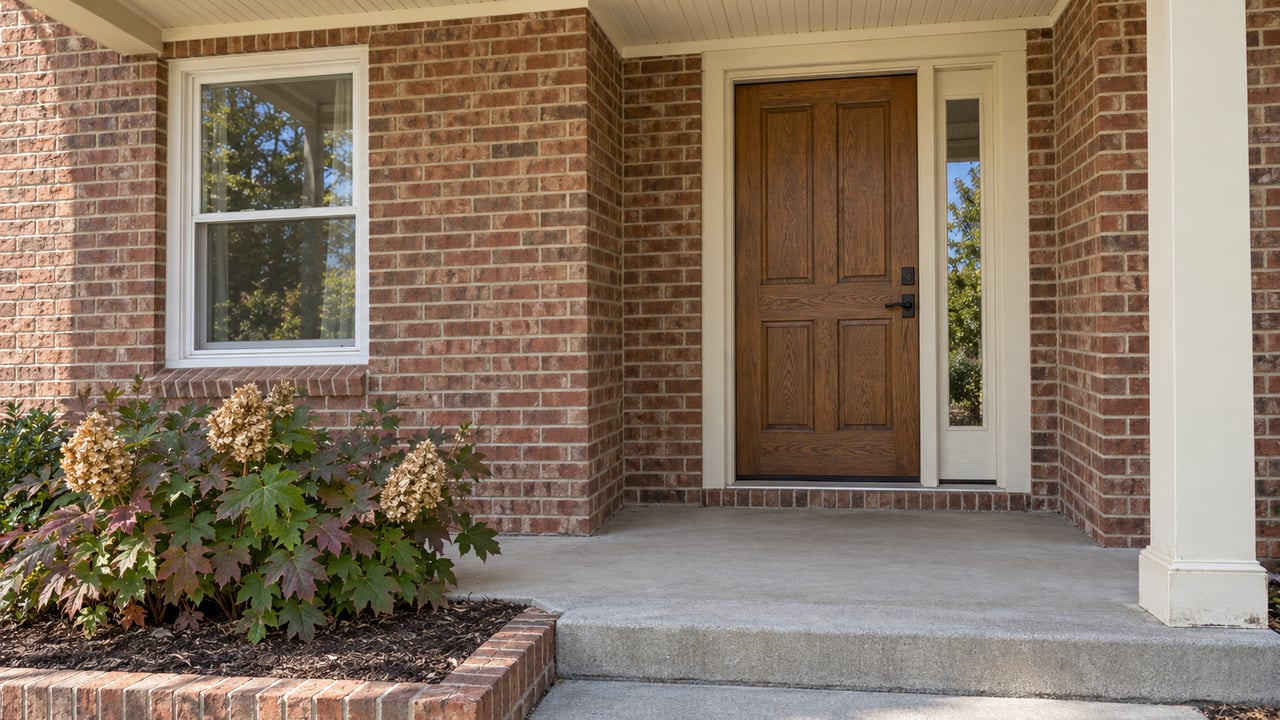
- Curb appeal: trim, mulch, power wash, touch up the front porch or steps.
- Cleanout and declutter: reduce personal items and extra furniture so rooms feel open and usable.
Special considerations for older homes
- Pre‑1978 homes: follow federal lead‑paint disclosure requirements and consider a lead inspection if planning major work or if buyers request it.
- Potential materials and systems: be prepared to discuss known issues like older wiring, asbestos in certain materials, or aging septic systems. Disclose what you know, and budget for inspections if selling to a financed buyer.
- Historic overlays: if applicable, check for rules that could affect exterior changes and buyer expectations.
Your sale options in Gaston County
Different paths can fit different timelines and estates. Each option has tradeoffs.
- Traditional listing with a local agent: widest marketing and the best shot at maximizing sale price. Requires prep time, coordination, and a typical escrow period.
- As‑is sale to an investor or cash buyer: quicker and simpler with less prep, but the net price is often lower.
- Auction: clear timelines that can help estates with firm deadlines, but not always the best path to top dollar.
- Brokered estate sale including contents: useful when household contents have value or you need coordinated liquidation.
Typical timeline from decision to closing
Every estate is different, but this framework helps you plan and sequence tasks.
- Gather documents and confirm title standing. Plan 1 to 3 weeks.
- If probate applies, contact the probate clerk or an estate attorney to confirm the process and obtain authority. Timelines vary.
- Order an appraisal or CMA to set expectations. Plan 1 to 2 weeks.
- Choose your sale route. Consider timing, net proceeds, and estate duties.
- Prepare the property: cleanout, repairs, staging, photography. Plan 2 to 8 weeks depending on scope.
- List and market the home. Days on market vary with condition and pricing.
- Under contract: inspections, negotiations, lender steps, and closing preparations. Typical escrow is 30 to 45 days but can vary.
- Closing: pay off liens and debts, then distribute proceeds per the estate’s accounting.
How a local agent helps
A seasoned Gaston County listing agent adds value early. If you have multiple heirs, probate in motion, or paperwork questions, bring an agent in before you finalize strategy. An experienced agent can provide a data‑driven CMA, coordinate pre‑listing inspections, connect you with trusted contractors, and advise on which updates will move the needle.
When interviewing candidates, look for:
- Proven experience with estate and probate sales in Gaston County
- Clear pricing strategies and sample CMAs for similar properties
- Strong marketing, professional photography, and virtual tour capability
- A network of local contractors, stagers, and estate sale partners
- Knowledge of North Carolina disclosures and closing processes
- Experience coordinating communication among multiple heirs
Questions to ask prospective agents:
- How many estate or probate listings have you handled in Gaston County?
- Can you share a proposed pricing strategy and CMA for a property like mine?
- What is your recommended timeline and estimated net proceeds after common repairs and closing costs?
- How will you keep all heirs and stakeholders informed?
- Which local attorneys or title providers do you recommend for estate closings?
Checklists you can use
Executor and first steps checklist
- Locate deed, recent tax bill, and any mortgage statements
- Contact the county to confirm records and request copies as needed
- Meet with the probate clerk or consult an estate attorney to confirm authority to sell
- Order a CMA or appraisal to set expectations
- Schedule a title search early to surface liens and easements
- Collect warranties, permits, and receipts for major work
- Notify utility companies and the insurance carrier of estate status
Pre‑listing property checklist
- Deep clean and declutter; remove personal items and family photos
- Fix safety issues and items that could block financing
- Repaint high‑impact rooms in neutral colors; repair or replace worn flooring
- Improve curb appeal with trimming, mulch, and power washing
- Schedule professional photos and consider a floor plan or virtual tour
- Prepare standard disclosures and any HOA documents; confirm lead disclosure if applicable
Local resources
- County departments and records: start at the Gaston County official site for the Register of Deeds, Tax Office, and Clerk of Court information.
- North Carolina seller disclosures: review the NCREC forms overview and complete all required documents with your agent.
- Lead‑based paint rules for pre‑1978 housing: see EPA disclosure guidance.
- Capital gains and basis rules: read IRS Publication 551 on basis and consult your CPA.
Selling a long‑held Gastonia home blends practical steps with respect for family history. With the right plan, you can honor the past while positioning the property for today’s buyers and a smooth closing. If you would like a clear path tailored to your situation, connect with John R. Bolin for a no‑pressure conversation and to get your instant home valuation.
FAQs
Do I need court permission to sell an inherited Gaston County house?
- Sometimes. If the estate is in probate or the will requires it, you may need court‑related authority or approvals. Confirm steps with the probate clerk or an estate attorney before listing.
Which disclosures apply when selling an older North Carolina home?
- You will complete North Carolina’s seller disclosure forms and provide a federal lead disclosure if the home was built before 1978. Your agent will guide you through the correct documents.
Should I renovate or sell my long‑held home as‑is?
- It depends on condition, local comps, time, and cash. Many estates see better returns from targeted updates like paint, flooring, and curb appeal rather than full renovations.
How do capital gains work when heirs sell?
- Inherited property usually receives a stepped‑up basis at the date of death. If you sell soon after, gains may be limited. For specifics, consult a CPA and review IRS guidance on basis.
What timeline should I plan for from decision to closing?
- Many sales follow an 8‑ to 16‑week path for prep, listing, and escrow, but probate requirements and title work can extend timelines. Build in extra time if multiple heirs are involved.